Our Blog

Winter Hydration: Keeping Skin Moisturized
Winter brings a unique set of challenges for our skin. The drop in humidity, cold winds, and indoor heating can leave even the healthiest complexions feeling dry, tight, and uncomfortable. To keep your skin soft, supple, and glowing, it’s essential to adjust your skincare routine to include more hydrating and moisture-locking products. In this blog post, we’ll dive into the science of winter skin hydration and provide effective tips to keep your skin moisturized all season long.

Why Winter Weather Dries Out Your Skin
During winter, the air becomes cold and dry, and when humidity drops, it pulls moisture from our skin. This effect is intensified when we spend time indoors with heaters, which also dry out the air. Without proper care, our skin’s moisture barrier can become compromised, leading to dehydration, flakiness, and an overall dull complexion.
When the moisture barrier is weakened, it can’t retain water as effectively, making it easier for external aggressors to penetrate. This can result in sensitivity, redness, and even breakouts. By prioritizing hydration and using products that support the moisture barrier, you can combat these winter skincare issues and keep your skin healthy.
Essential Winter Hydration Tips
1.Switch to a Hydrating Cleanser
Your choice of cleanser plays a big role in how your skin retains moisture, especially in winter. Harsh, foaming cleansers can strip your skin of its natural oils, leaving it feeling dry and tight. Instead, opt for a hydrating cleanser with gentle, nourishing ingredients. Look for cleansers that contain ceramides, hyaluronic acid, or glycerin to keep your skin clean without compromising its moisture levels.
Pro Tip: Avoid hot water when washing your face, as it can strip away essential oils. Stick to lukewarm water for cleansing, and pat your skin dry with a soft towel instead of rubbing.

2.Incorporate a Hydrating Serum
Hydrating serums are your best friend during winter. Look for serums that contain humectants like hyaluronic acid, glycerin, and aloe vera, which draw moisture into the skin and help lock it in. These ingredients create a plumping effect and keep your skin hydrated throughout the day. Applying a serum before your moisturizer helps boost hydration levels, leaving your skin feeling refreshed and dewy.
How to Use: Apply a few drops of your serum on damp skin after cleansing, as this will help maximize its effectiveness by drawing in even more moisture.
3.Layer with a Rich Moisturizer
In winter, it’s a good idea to switch from a lightweight moisturizer to a richer, creamier one. A thicker moisturizer provides a protective barrier, sealing in moisture and preventing it from evaporating. Look for moisturizers with ingredients like ceramides, squalane, and shea butter, which create a barrier that helps retain hydration.
Pro Tip: Don’t forget to moisturize both morning and night. At night, consider using an overnight hydrating mask or a thicker cream to give your skin an extra boost of moisture while you sleep.

4.Add an Oil to Lock in Moisture
Facial oils are excellent for winter hydration because they seal in moisture, keeping your skin nourished and radiant. Oils like squalane, jojoba, and rosehip oil work well for most skin types and can be used as the final step in your routine. Adding a few drops of oil to your moisturizer can provide extra hydration and keep your skin soft and smooth.
How to Use: After applying your moisturizer, use a few drops of oil and gently press it into your skin. If you have oily or acne-prone skin, choose a lightweight, non-comedogenic oil to avoid clogging pores.
5.Don't Forget Sunscreen
Sunscreen is often neglected in winter, but UV rays are still present, even on cloudy or snowy days. Sun exposure can further dehydrate the skin and lead to premature aging. Applying a broad-spectrum SPF 30 or higher as the last step in your morning skincare routine will protect your skin from UV damage while helping it stay hydrated and healthy.
Pro Tip: If you’re concerned about dryness, opt for a sunscreen that includes hydrating ingredients like hyaluronic acid or ceramides.
6.Use a Humidifier at Home
Indoor heating can create a dry environment that depletes your skin’s moisture. Using a humidifier helps add moisture back into the air, keeping your skin from drying out. Place a humidifier in your bedroom or office to maintain a comfortable humidity level. This is especially helpful overnight, as it prevents your skin from becoming dry and flaky while you sleep.
Pro Tip: Aim for a humidity level of 40-60% in your home to maintain optimal hydration for your skin.

7. Exfoliate Gently to Remove Dead Skin
Dry, flaky skin can build up on the surface, preventing your hydrating products from penetrating effectively. Incorporating gentle exfoliation into your routine 1-2 times a week will help remove dead skin cells and allow your moisturizers and serums to work better. Choose exfoliants like lactic acid or fruit enzymes, which gently dissolve dead skin without stripping your skin.
Warning: Avoid over-exfoliating, as it can irritate and further dry out your skin. Stick to gentle exfoliants and use them sparingly.
8.Hydrate from Within
Winter hydration isn’t just about what you put on your skin—it’s also about nourishing your body from the inside. Make sure to drink enough water throughout the day, and consider warm herbal teas if cold water is less appealing. Eating water-rich foods, like cucumber, oranges, and soups, can also support hydration and contribute to healthy, glowing skin.
Bonus Tip: Incorporate foods rich in omega-3 fatty acids, such as salmon, chia seeds, and walnuts, which help support the skin barrier and maintain moisture levels.
Sample Winter Skincare Routine
Here’s a sample winter skincare routine to keep your skin hydrated and healthy
- Cleanser : Start with a hydrating, gentle cleanser.
- Toner or Essence : Apply a hydrating toner or essence with hyaluronic acid or glycerin.
- Serum : Use a hydrating serum with hyaluronic acid or vitamin B5.
- Moisturizer : Follow with a rich, ceramide-infused moisturizer.
- Facial Oil (PM) : Add a few drops of facial oil to lock in moisture.
- Sunscreen (AM) : Finish your morning routine with SPF 30 or higher.
- Weekly Exfoliation : Exfoliate gently once or twice a week with a lactic acid or enzyme-based exfoliator.

Embrace Winter with Confidence
Keeping your skin hydrated during winter doesn’t have to be a struggle. With the right ingredients, habits, and products, you can protect your skin from the harsh effects of cold weather, ensuring it stays soft, smooth, and radiant. Remember, winter is a great time to embrace a skincare routine focused on nourishment and hydration. Your skin will thank you for the extra care, and you’ll enjoy a beautiful, healthy glow all season long.
So, bundle up, stay cozy, and give your skin the hydration it needs to thrive this winter!

Winter Hydration: Keeping Skin Moisturized
Winter brings a unique set of challenges for our skin. The drop in humidity, cold winds, and indoor heating can leave even the healthiest complexions feeling dry, tight, and uncomfortable. To keep your skin soft, supple, and glowing, it’s essential to adjust your skincare routine to include more hydrating and moisture-locking products. In this blog post, we’ll dive into the science of winter skin hydration and provide effective tips to keep your skin moisturized all season long.

Why Winter Weather Dries Out Your Skin
During winter, the air becomes cold and dry, and when humidity drops, it pulls moisture from our skin. This effect is intensified when we spend time indoors with heaters, which also dry out the air. Without proper care, our skin’s moisture barrier can become compromised, leading to dehydration, flakiness, and an overall dull complexion.
When the moisture barrier is weakened, it can’t retain water as effectively, making it easier for external aggressors to penetrate. This can result in sensitivity, redness, and even breakouts. By prioritizing hydration and using products that support the moisture barrier, you can combat these winter skincare issues and keep your skin healthy.
Essential Winter Hydration Tips
1. Switch to a Hydrating Cleanser
Your choice of cleanser plays a big role in how your skin retains moisture, especially in winter. Harsh, foaming cleansers can strip your skin of its natural oils, leaving it feeling dry and tight. Instead, opt for a hydrating cleanser with gentle, nourishing ingredients. Look for cleansers that contain ceramides, hyaluronic acid, or glycerin to keep your skin clean without compromising its moisture levels.
Pro Tip: Avoid hot water when washing your face, as it can strip away essential oils. Stick to lukewarm water for cleansing, and pat your skin dry with a soft towel instead of rubbing.

2. Incorporate a Hydrating Serum
Hydrating serums are your best friend during winter. Look for serums that contain humectants like hyaluronic acid, glycerin, and aloe vera, which draw moisture into the skin and help lock it in. These ingredients create a plumping effect and keep your skin hydrated throughout the day. Applying a serum before your moisturizer helps boost hydration levels, leaving your skin feeling refreshed and dewy.
How to Use: Apply a few drops of your serum on damp skin after cleansing, as this will help maximize its effectiveness by drawing in even more moisture.
3. Layer with a Rich Moisturizer
In winter, it’s a good idea to switch from a lightweight moisturizer to a richer, creamier one. A thicker moisturizer provides a protective barrier, sealing in moisture and preventing it from evaporating. Look for moisturizers with ingredients like ceramides, squalane, and shea butter, which create a barrier that helps retain hydration.
Pro Tip: Don’t forget to moisturize both morning and night. At night, consider using an overnight hydrating mask or a thicker cream to give your skin an extra boost of moisture while you sleep.
4. Add an Oil to Lock in Moisture
Facial oils are excellent for winter hydration because they seal in moisture, keeping your skin nourished and radiant. Oils like squalane, jojoba, and rosehip oil work well for most skin types and can be used as the final step in your routine. Adding a few drops of oil to your moisturizer can provide extra hydration and keep your skin soft and smooth.

How to Use: After applying your moisturizer, use a few drops of oil and gently press it into your skin. If you have oily or acne-prone skin, choose a lightweight, non-comedogenic oil to avoid clogging pores.
5. Don’t Forget Sunscreen
Sunscreen is often neglected in winter, but UV rays are still present, even on cloudy or snowy days. Sun exposure can further dehydrate the skin and lead to premature aging. Applying a broad-spectrum SPF 30 or higher as the last step in your morning skincare routine will protect your skin from UV damage while helping it stay hydrated and healthy.
Pro Tip: If you’re concerned about dryness, opt for a sunscreen that includes hydrating ingredients like hyaluronic acid or ceramides.

6. Use a Humidifier at Home
Indoor heating can create a dry environment that depletes your skin’s moisture. Using a humidifier helps add moisture back into the air, keeping your skin from drying out. Place a humidifier in your bedroom or office to maintain a comfortable humidity level. This is especially helpful overnight, as it prevents your skin from becoming dry and flaky while you sleep.
Pro Tip: Aim for a humidity level of 40-60% in your home to maintain optimal hydration for your skin.
7. Exfoliate Gently to Remove Dead Skin
Dry, flaky skin can build up on the surface, preventing your hydrating products from penetrating effectively. Incorporating gentle exfoliation into your routine 1-2 times a week will help remove dead skin cells and allow your moisturizers and serums to work better. Choose exfoliants like lactic acid or fruit enzymes, which gently dissolve dead skin without stripping your skin.
Warning: Avoid over-exfoliating, as it can irritate and further dry out your skin. Stick to gentle exfoliants and use them sparingly.
8. Hydrate from Within
Winter hydration isn’t just about what you put on your skin—it’s also about nourishing your body from the inside. Make sure to drink enough water throughout the day, and consider warm herbal teas if cold water is less appealing. Eating water-rich foods, like cucumber, oranges, and soups, can also support hydration and contribute to healthy, glowing skin.

Bonus Tip: Incorporate foods rich in omega-3 fatty acids, such as salmon, chia seeds, and walnuts, which help support the skin barrier and maintain moisture levels.
Sample Winter Skincare Routine
Here’s a sample winter skincare routine to keep your skin hydrated and healthy:
- Cleanser : Start with a hydrating, gentle cleanser.
- Toner or Essence : Apply a hydrating toner or essence with hyaluronic acid or glycerin.
- Serum : Use a hydrating serum with hyaluronic acid or vitamin B5.
- Moisturizer : Follow with a rich, ceramide-infused moisturizer.
- Facial Oil (PM) : Add a few drops of facial oil to lock in moisture.
- Sunscreen (AM) : Finish your morning routine with SPF 30 or higher.
- Weekly Exfoliation : Exfoliate gently once or twice a week with a lactic acid or enzyme-based exfoliator.
Embrace Winter with Confidence
Keeping your skin hydrated during winter doesn’t have to be a struggle. With the right ingredients, habits, and products, you can protect your skin from the harsh effects of cold weather, ensuring it stays soft, smooth, and radiant. Remember, winter is a great time to embrace a skincare routine focused on nourishment and hydration. Your skin will thank you for the extra care, and you’ll enjoy a beautiful, healthy glow all season long.

So, bundle up, stay cozy, and give your skin the hydration it needs to thrive this winter!

Must-Have Skincare Ingredients for Cold Weather
As winter approaches, the drop in temperature, decrease in humidity, and increase in indoor heating can take a toll on our skin, leaving it dry, flaky, and vulnerable to irritation. To keep your complexion soft, hydrated, and glowing all season long, it’s essential to adjust your skincare routine to address the unique challenges that winter weather brings. Incorporating specific skincare ingredients can make all the difference, creating a resilient barrier against the harsh elements.
In this blog post, we’ll walk you through the must-have ingredients to include in your winter skincare routine to protect and nourish your skin, ensuring it stays healthy and radiant even in the coldest months.
1. Hyaluronic Acid : The Hydration Hero
Hyaluronic acid is a powerhouse humectant that draws moisture from the environment and locks it into your skin. This ingredient is a must-have for winter skincare because it has the ability to hold up to 1,000 times its weight in water, making it incredibly effective at keeping your skin plump and hydrated even in dry, cold conditions.

When using hyaluronic acid, it’s best to apply it to slightly damp skin to help it draw in moisture. Follow up with a moisturizer to seal it in. This ensures that your skin stays hydrated for longer, minimizing the risk of dehydration and flakiness.
How to Use : Look for hyaluronic acid in serums, toners, or hydrating essences and apply it as one of your first layers after cleansing.
2.Ceramides: Barrier Boosters
Ceramides are lipids (fats) that occur naturally in the skin and are crucial for maintaining a healthy skin barrier. They work by holding skin cells together, forming a protective layer that keeps moisture in and irritants out. In winter, our skin’s ceramide levels can become depleted due to environmental stressors like cold wind and dry indoor heating, making our skin more susceptible to dryness and irritation.
By adding ceramide-infused products to your routine, you help to strengthen your skin’s natural barrier, allowing it to retain moisture and stay resilient against harsh winter elements. Ceramides are particularly beneficial for those with dry or sensitive skin, as they provide long-lasting hydration and support skin recovery.
How to Use : Opt for a moisturizer or serum rich in ceramides as a key step in your nighttime routine to lock in hydration and support your skin’s protective barrier.

3. Squalane: A Lightweight Oil with Big Benefits
Squalane is a lightweight, non-comedogenic oil that mimics your skin’s natural oils, making it perfect for maintaining moisture without feeling heavy or greasy. It is an excellent choice for winter as it provides deep hydration, softens the skin, and helps prevent moisture loss, all while being gentle enough for sensitive or acne-prone skin.
Unlike some heavier oils, squalane is absorbed quickly and doesn’t leave a residue, making it an ideal option for both morning and evening routines. It’s a versatile ingredient that works well with other skincare products, enhancing their hydrating effects.
How to Use : Apply a few drops of squalane oil as the last step in your routine at night or after your moisturizer in the morning to seal in hydration.
4. Aloe Vera : A Calming and Soothing Hydrator
Aloe vera is well-known for its soothing and hydrating properties, making it an essential ingredient in winter skincare. It not only hydrates but also helps calm irritated or inflamed skin. Cold weather can exacerbate redness and sensitivity, so adding a product with aloe vera to your routine can help reduce these effects.

Aloe vera gel contains polysaccharides, which create a film on the skin to help retain moisture. This ingredient is also rich in antioxidants, making it a great option for protecting the skin from environmental stressors and promoting healing.
How to Use : Aloe vera is often found in toners, essences, and moisturizers. Apply it in the early stages of your routine to allow its hydrating and calming properties to prep your skin.
5. Centella Asiatica: Healing and Anti-Inflammatory
Centella asiatica, also known as “cica” or “tiger grass,” is a powerful ingredient for healing and strengthening the skin. It has anti-inflammatory and antioxidant properties that soothe irritation, making it particularly beneficial for sensitive or compromised skin in winter. Centella asiatica helps repair the skin barrier and is effective in reducing redness and irritation from cold, dry air.
This ingredient is also excellent for boosting collagen production, which helps maintain skin elasticity and resilience. Centella asiatica is a must-have in your winter skincare routine if you experience redness, sensitivity, or dry patches.

How to Use : Centella asiatica can be found in serums, creams, and masks. Use it as a targeted treatment for inflamed areas or as an overall layer in your routine for extra protection and healing.
6. Glycerin: A Powerful Humectant for Long-Lasting Hydration
Glycerin is another effective humectant that attracts water to the skin’s surface, similar to hyaluronic acid. It’s particularly beneficial in winter because it helps maintain hydration and prevents moisture from evaporating, keeping your skin soft and supple. Glycerin is compatible with almost all skin types and is often found in creams, lotions, and serums.
In colder months, when your skin is more prone to dehydration, glycerin acts as a moisture magnet, helping to lock in hydration and improve the skin’s overall texture.
How to Use : Apply glycerin-based products after cleansing and toning to maximize hydration, and seal it in with a moisturizer for long-lasting effects.
7. Vitamin E: Antioxidant Protection and Moisture Retention
Vitamin E is an antioxidant that provides powerful protection against environmental damage while also helping to lock in moisture. This ingredient is ideal for winter skincare as it defends against free radicals caused by pollution and UV exposure, which are still present during colder months. Vitamin E is also a natural emollient, which helps keep skin soft and hydrated.
In addition to its moisturizing benefits, vitamin E supports skin repair, making it a great choice for those dealing with winter dryness or irritation. It’s commonly found in moisturizers, oils, and serums.
How to Use : Incorporate vitamin E in a moisturizer or facial oil to help strengthen the skin’s barrier and keep it protected from environmental stressors.
8. Lactic Acid : Gentle Exfoliation for Smooth, Radiant Skin
Lactic acid is an alpha-hydroxy acid (AHA) that gently exfoliates the skin, promoting cell turnover without the harshness of more potent acids. In winter, dead skin cells can build up due to dryness, leading to a dull complexion. Lactic acid helps remove this layer, allowing moisturizers and other treatments to penetrate more effectively.

This ingredient not only exfoliates but also has moisturizing properties, making it ideal for winter use. By keeping your skin smooth and removing dead cells, lactic acid ensures your complexion stays radiant and fresh even in colder weather.
How to Use : Use a serum or cream with lactic acid 1-2 times a week, preferably at night, to exfoliate gently and prevent buildup.
Tips for a Winter-Ready Skincare Routine
Now that we’ve covered the essential ingredients, here are some additional tips for a winter-ready skincare routine

- Layer Wisely : Layer your skincare products from lightest to heaviest. Start with hydrating serums and essences, followed by heavier creams and oils to seal in moisture.
- Don’t Skip Sunscreen : UV rays are present year-round, so sunscreen is essential even in winter. Choose a broad-spectrum SPF 30 or higher.
- Use a Humidifier : Indoor heating can be incredibly drying. A humidifier helps add moisture to the air, preventing your skin from becoming overly dry.
- Avoid Hot Showers : While it’s tempting to warm up with a hot shower, the high temperature can strip your skin of essential oils, leading to dryness. Opt for lukewarm water and limit your shower time.
- Pamper with Masks : Treat your skin to a weekly hydrating mask, especially those with ingredients like hyaluronic acid, aloe vera, and centella asiatica, to replenish moisture and soothe the skin.
Embrace Winter with Confidence
With the right ingredients and a few adjustments to your skincare routine, you can keep your skin glowing, hydrated, and healthy throughout the winter season. From hyaluronic acid to centella asiatica, these ingredients provide a strong defense against dryness, sensitivity, and the cold.

Winter skin prep is all about building resilience and nourishing your skin, so it can face the challenges of colder months with confidence. Embrace the season with a well-equipped routine, and enjoy the beauty of winter without compromising your skin’s health and radiance!

The Importance of Nighttime Skincare as Days Get Shorter
As we transition into colder months and the days get shorter, it’s essential to adapt our skincare routines to meet the changing needs of our skin. During fall and winter, cooler temperatures, dry indoor heating, and harsh winds can take a toll on our skin, leaving it more susceptible to dryness, irritation, and sensitivity. That's why nighttime skincare becomes especially crucial. The hours when we rest are prime time for skin repair and rejuvenation, giving us the opportunity to wake up with a healthy, hydrated glow even in the harshest conditions.

In this blog post, we’ll explore why nighttime skincare is especially important as the days get shorter, how our skin’s repair process changes in colder months, and what steps you can take to create an effective evening routine that supports hydration, repair, and anti-aging benefits.
Why Nighttime Skincare Matters More in Colder Months
1. Overnight Repair and Regeneration
At night, while we sleep, our skin enters repair mode. This is when cell turnover and collagen production are at their peak, working to repair damage from daily exposure to UV rays, pollution, and other environmental stressors. The body also increases blood flow to the skin at night, bringing vital nutrients and oxygen that aid in the repair process. This natural regeneration is essential for maintaining youthful, resilient skin, and it becomes even more crucial as colder weather can weaken the skin barrier.
2. Increased Dryness and Dehydration
With the onset of colder weather, humidity levels drop both outdoors and indoors, especially when indoor heating is in use. Low humidity and constant exposure to dry air can lead to moisture loss, making your skin feel tight, dry, and sometimes flaky. By prioritizing nighttime skincare, you’re providing your skin with essential hydration and locking in moisture, which helps counteract the effects of a dry environment.

3. Preventing and Reversing Signs of Aging
Colder months can accentuate fine lines and wrinkles due to moisture loss and reduced collagen production. At night, skincare products can work in harmony with the body’s repair cycle to deliver potent anti-aging ingredients, helping to prevent premature signs of aging and repair existing damage. By incorporating ingredients like retinoids, peptides, and antioxidants into your nighttime routine, you can support your skin’s natural repair mechanisms and maintain a more youthful appearance.
4. Protection Against Harsh Conditions
Cold weather, wind, and dry indoor heating can damage the skin barrier, leading to increased sensitivity and irritation. A strong nighttime skincare routine helps fortify the skin barrier, so it’s more resilient against environmental stressors. This is particularly important for those with sensitive skin or conditions like eczema or rosacea, which can flare up in colder weather.
Steps for an Effective Nighttime Skincare Routine
Now that we understand the importance of nighttime skincare in colder months, let’s look at the steps for an effective evening routine that addresses hydration, repair, and anti-aging.
1. Double Cleanse to Remove Impurities
The foundation of any good skincare routine, especially at night, is cleansing. Removing makeup, sunscreen, and impurities accumulated throughout the day is essential for allowing your skin to breathe and absorb treatments effectively.
- Step 1 : Start with an oil-based cleanser to dissolve makeup, sunscreen, and excess oil. Massage it gently over your face to break down impurities.
- Step 2 : Follow with a gentle water-based cleanser to remove any remaining residue and ensure your skin is thoroughly clean without stripping it of its natural oils.

Double cleansing is especially beneficial during colder months because it helps maintain the skin’s moisture balance while thoroughly cleaning it.
2. Hydrating Toner or Essence to Prep the Skin
After cleansing, a hydrating toner or essence can help restore your skin’s pH balance, prepare it for the following steps, and provide an extra layer of moisture. Look for toners or essences that contain humectants like hyaluronic acid, glycerin, or aloe vera, which draw moisture into the skin and keep it plump.
Applying a toner or essence helps to ensure that your skin is hydrated and ready to absorb the active ingredients in serums or treatments.
3. Targeted Treatments with Serums
Serums are concentrated formulas designed to address specific skin concerns. Depending on your skin type and goals, you may choose a serum with anti-aging ingredients, brightening agents, or hydration boosters.

- Hyaluronic Acid : This powerful humectant holds up to 1000 times its weight in water, making it perfect for delivering deep hydration and preventing moisture loss.
- Vitamin C : An antioxidant that brightens skin, fights free radicals, and supports collagen production. Applying it at night can help repair skin damage and enhance radiance.
- Retinoids (Retinol) : Retinoids boost collagen production, reduce fine lines, and improve skin texture. They are especially effective for anti-aging but should be introduced gradually, as they can cause sensitivity. In the colder months, retinoids can support your skin’s repair processes and prevent aging signs.
4. Moisturizer to Lock in Hydration
A good nighttime moisturizer is essential for sealing in hydration and creating a barrier that prevents moisture from evaporating while you sleep. In colder months, switch to a richer, more emollient moisturizer that will provide lasting hydration.
- For Dry Skin : Choose a moisturizer with occlusive ingredients like shea butter, ceramides, or squalane that form a protective barrier on the skin.
- For Oily or Combination Skin : Opt for a non-comedogenic moisturizer that still provides hydration without clogging pores. Gel-cream textures work well for this skin type.
Applying moisturizer at night helps repair the skin barrier, preventing dryness, sensitivity, and redness caused by cold weather.
5. Facial Oils for Extra Nourishment (Optional)
or compromised. Oils add an extra layer of nourishment and can seal in moisture, making your skin feel soft and supple by morning.
- Popular Oils : Look for oils like rosehip oil, jojoba oil, or argan oil. These oils are lightweight, non-comedogenic, and offer excellent moisturizing and anti-inflammatory benefits.
Using an oil as the last step of your routine can be particularly beneficial in colder months, as it provides an added shield against moisture loss.
6. Eye Cream to Protect Delicate Skin
The skin around the eyes is delicate and can show signs of stress and fatigue easily. To prevent puffiness, dark circles, and fine lines, use a hydrating and nourishing eye cream before bed.
- Key Ingredients : Look for eye creams with peptides, hyaluronic acid, and caffeine. These ingredients help hydrate, reduce puffiness, and firm the skin.

Gently tap the eye cream around your eyes with your ring finger, which applies the least pressure, to avoid tugging at the skin.
7. Overnight Mask for an Extra Boost(Optional)
Overnight masks are designed to deliver intense hydration and repair while you sleep. These masks are usually rich in active ingredients like antioxidants, peptides, and moisturizing compounds that support your skin’s natural repair process.
-
Usage : Apply an overnight mask once or twice a week to give your skin a boost, especially if it’s feeling dry or lackluster. The mask acts as a barrier to lock in all the products you applied beforehand and delivers additional nutrients.

Tips for Maximizing Your Nighttime Routine
To make the most of your nighttime skincare routine, keep these tips in mind
- Apply Products on Damp Skin : Moist skin absorbs products better, so applying your products on slightly damp skin helps enhance their effectiveness.
- Give Each Product Time to Absorb : Allow each layer to sink in before applying the next product to avoid pilling and to ensure optimal absorption.
- Use a Humidifier in Your Bedroom : If the air in your home is dry, especially with indoor heating, a humidifier can add moisture to the air, preventing your skin from becoming overly dry while you sleep.

Embrace the Power of Nighttime Skincare
As the days grow shorter and the weather becomes colder, your skin’s needs change, and so should your skincare routine. Nighttime skincare offers a unique opportunity to repair, nourish, and protect your skin while you sleep. By incorporating hydrating, calming, and restorative ingredients into your evening routine, you can give your skin the support it needs to stay resilient and glowing throughout the colder months.
With the right products and a few mindful adjustments, you can make the most of your nighttime routine, allowing you to wake up with refreshed, radiant skin even as winter sets in. So this season, take the time to pamper your skin before bed—your complexion will thank you!

Stress-Free Skincare for the Holiday Season
The holiday season is a time for joy, celebrations, and connecting with loved ones. However, it can also bring a significant amount of stress—planning events, buying gifts, hosting gatherings, and navigating travel. With all of these activities, our stress levels can skyrocket, and often, our skin reflects that stress. Breakouts, redness, dullness, and increased sensitivity are common reactions, leaving us feeling less than merry.

But don’t worry! You can maintain a glowing, calm complexion throughout the holiday season with some simple skincare tips and products focused on stress relief. In this post, we’ll explore the connection between stress and skin, provide essential holiday skincare tips, and highlight calming ingredients—like centella asiatica, green tea, and aloe vera—that can help soothe and support your skin when you need it most.
How Stress Affects Your Skin
When you’re stressed, your body releases cortisol, the “stress hormone,” which can disrupt your skin’s natural balance. Here’s how increased cortisol levels and holiday stress can impact your skin
- Breakouts and Oil Production : Elevated cortisol levels can stimulate oil production, leading to clogged pores and breakouts. If you’re prone to acne, stress can worsen it, causing more frequent and intense flare-ups.
- Sensitivity and Redness : Stress weakens the skin barrier, making your skin more sensitive to irritants. This can result in redness, inflammation, and conditions like eczema and rosacea.
- Dullness and Dehydration : When you’re stressed, your skin’s ability to retain moisture can decrease, leading to a dull, dry, or flaky appearance. Your skin may lose its healthy glow, making it appear tired.
- Premature Aging : Chronic stress can accelerate signs of aging, including fine lines, wrinkles, and loss of elasticity. High cortisol levels break down collagen and elastin, essential proteins that keep skin firm and youthful.

Managing stress is crucial for both mental well-being and skin health. While you may not be able to eliminate holiday stress entirely, you can incorporate specific skincare practices to protect and rejuvenate your skin.
Holiday Skincare Tips for Stress Relief
1. Stick to a Consistent Routine
During the busy holiday season, it’s tempting to skip your skincare routine, but consistency is key. Even a simple routine—cleanser, moisturizer, and sunscreen—can go a long way in maintaining healthy skin. Consistency allows your skin to remain balanced and resilient, making it less prone to stress-induced issues.
2. Prioritize Hydration
Dehydrated skin looks dull and feels tight, so keeping your skin hydrated is essential during the holidays. Make sure to use a hydrating serum with hyaluronic acid or glycerin before applying your moisturizer. Drinking plenty of water and using a humidifier in dry, heated indoor environments will also help keep your skin plump and hydrated.

3.Double Cleanse to Remove Impurities
With holiday makeup, pollution from travel, and long days, your skin can accumulate a lot of impurities. Double cleansing is a method that uses an oil-based cleanser to remove makeup and sunscreen, followed by a gentle water-based cleanser to eliminate any remaining residue. This ensures your skin is thoroughly clean without stripping it of moisture.
4. Incorporate Calming Ingredients into Your Routine
When stress levels are high, using skincare products with calming ingredients can help soothe and protect your skin. Here are three must-have ingredients for stressed skin
- Centella Asiatica (Cica) : Known for its healing properties, centella asiatica (often called “cica”) helps reduce redness, calm inflammation, and strengthen the skin barrier. It’s especially beneficial for sensitive and acne-prone skin.
- Green Tea : Green tea is packed with antioxidants that combat free radicals and reduce inflammation. It’s an excellent choice for soothing irritated skin and protecting it from environmental stressors.
- Aloe Vera : Aloe vera is a powerhouse for hydration and calming. Its gel-like consistency feels cooling on the skin, making it perfect for reducing redness and irritation. Aloe is suitable for all skin types and is a go-to ingredient for stressed, dehydrated skin.
Consider adding a serum or moisturizer with these ingredients to your routine during the holiday season to help your skin manage stress.

5. Mask for Instant Relief
Facial masks are an effective way to give your skin a quick dose of calming and nourishing ingredients. Look for sheet masks, clay masks, or cream masks that contain centella asiatica, green tea, or aloe vera. Here are a few types of masks to consider
- Hydrating Sheet Masks : These masks are infused with serums that deliver moisture and active ingredients directly into the skin. Choose a mask with hyaluronic acid, centella, or aloe for a refreshing and calming treatment.
- Detoxifying Clay Masks : Clay masks draw out impurities and excess oil from your skin, which can be especially beneficial if you’re prone to stress-induced breakouts. Be sure to follow up with a hydrating moisturizer to prevent dryness.
- Overnight Sleeping Masks : An overnight mask with calming ingredients can work wonders while you sleep. These masks seal in moisture, allowing your skin to recover from the day’s stress. Wake up with smoother, calmer skin ready to face another festive day.
6. Get Enough Sleep
Sleep is essential for your skin’s recovery process. While you sleep, your body repairs damage from the day and renews skin cells. Aim for 7-8 hours of sleep each night, and try to stick to a consistent sleep schedule. A lack of sleep can increase cortisol levels and reduce your skin’s ability to regenerate, leading to puffiness, dark circles, and dullness.

7. Practice Facial Massage to Relieve Tension
Facial massages can improve blood circulation, reduce puffiness, and release tension. Using a jade roller, gua sha tool, or simply your hands, massage your face in upward and outward motions. Not only is this a relaxing self-care ritual, but it also helps drain excess fluid and reduce stress. Try using a facial oil with soothing ingredients like lavender or chamomile for an even more relaxing experience.
8. Avoid Overloading Your Skin with Actives
During stressful periods, your skin is more likely to react sensitively to potent active ingredients like retinoids, strong exfoliants, or high-concentration acids. Try to simplify your routine and avoid using too many actives. Instead, focus on hydration, gentle exfoliation, and calming products. Once the holiday season has passed, you can gradually reintroduce your usual active ingredients.
DIY Calming Home Remedies
For those who love a DIY approach, here are a few at-home remedies using natural ingredients
- Green Tea Mist : Brew a cup of green tea, let it cool, and pour it into a spray bottle. Mist it onto your face throughout the day for a refreshing antioxidant boost that calms irritation.
- Aloe Vera and Honey Mask : Mix fresh aloe vera gel with a teaspoon of honey. Apply this mask to your face for 15-20 minutes. Both aloe vera and honey have anti-inflammatory properties, making this mask ideal for reducing redness and irritation.
- Oatmeal Soak : If your skin is feeling particularly sensitive, try adding a cup of ground oatmeal to your bath. Oatmeal is soothing and can help relieve itching and redness. It’s a great remedy for stressed or inflamed skin.
Stay Mindful of Your Mental Well-being
Skincare goes beyond what we apply to our faces—it’s also about taking care of our mental well-being. Practicing mindfulness, taking breaks, and setting aside time for yourself during the holiday season can reduce stress levels, benefiting both your skin and overall health. Remember, the holiday season is about joy and connection, so try not to let the stress overshadow these moments.

A Calm, Radiant Complexion for the Holidays
The holiday season can be a whirlwind of excitement and, yes, stress. But by taking steps to care for your skin with calming ingredients, establishing a soothing skincare routine, and prioritizing your mental well-being, you can keep your skin looking calm, clear, and radiant.
From centella asiatica to aloe vera and green tea, there are many ingredients and products that can help your skin withstand the holiday hustle. So, as you deck the halls and celebrate with loved ones, give your skin the care and calm it deserves. With a little effort and consistency, you’ll be ready to face the holiday season with a glowing complexion.


Thanksgiving Skincare: Dealing with Overindulgence
Thanksgiving is a time for celebration, indulgence, and spending quality time with loved ones. With all the delicious feasts and sweet treats, it’s easy to overindulge. However, the downside of indulging in rich foods, sugary desserts, and holiday stress is that your skin may show the aftermath. From breakouts to puffiness, your skin can react to the excess sugar, carbs, and stress from the holiday season.

If your skin isn’t looking its best after the Thanksgiving festivities, don’t worry! With a few simple adjustments to your skincare routine, you can help your skin recover and restore its natural glow. In this blog post, we'll explore how overindulgence affects your skin and what you can do to get it back on track.
How Thanksgiving Overindulgence Affects Your Skin
1. Sugar-Induced Breakouts
Indulging in pies, cakes, and sugary drinks can spike your blood sugar levels, leading to an increase in insulin. High insulin levels can trigger inflammation and stimulate the oil glands in your skin, causing breakouts. Sugar also affects collagen production, which can contribute to premature aging and dullness.
2. Salt and Alcohol-Related Puffiness
Thanksgiving meals are often loaded with sodium, which can cause your body to retain water. This can lead to puffiness, especially around the eyes. Alcohol, which dehydrates the skin, can also contribute to inflammation and a swollen appearance.
3. Holiday Stress and Lack of Sleep
While Thanksgiving is a joyful time, it can also bring about stress from hosting, traveling, or spending long hours cooking and cleaning. Stress increases the production of cortisol, which can lead to breakouts, redness, and dullness. If you didn’t get enough sleep during the holiday, your skin’s repair process may also be compromised, resulting in tired, lackluster skin.
Post-Thanksgiving Skincare Tips to Help
1. Rehydrate Your Skin
After indulging in salty foods and alcohol, your skin may be dehydrated. Start by drinking plenty of water to help flush out the excess salt and sugar from your body. You can also rehydrate your skin topically by using a hydrating serum or moisturizer that contains hyaluronic acid, which helps draw moisture into the skin.

Home Remedy Tip : Make a hydrating mask using yogurt and honey. The probiotics in yogurt help calm inflammation, while honey acts as a natural humectant to lock in moisture. Apply this mixture to your face for 10-15 minutes for an instant hydration boost.
2. Detox with a Deep Cleanse
Overindulgence can clog your pores with excess oil and impurities. A deep cleanse is essential to remove makeup, dirt, and oil that may have built up during the festivities. Opt for a gentle cleanser that doesn’t strip your skin but effectively clears away impurities.
Home Remedy Tip : Try a DITY detoxifying mask with bentonite clay and aple cider vinegar. The clay helps to draw out toxins from your skin, while apple cider vinegar balances your skin's pH levels and acts as a gently exfoliant. Leave it on for about 10 minutes, and rinse off with warm water.
3.Soothe Inflammation and Calm Redness
If your skin is looking red or irritated from the holiday stress or indulgence in inflammatory foods, focus on soothing and calming your complexion. Look for skincare products with anti-inflammatory ingredients like aloe vera, chamomile, or green tea to calm irritation.

Home Remedy Tip : Use cold cucumber slices or green tea bags on your eyes to reduce puffiness and inflammation. The cooling effect will help soothe the skin, while the antioxidants in green tea help calm redness.
4. Exfoliate to Brighten Dull Skin
After indulging, your skin may look dull and tired. Exfoliating helps to slough off dead skin cells and promote skin renewal, revealing a brighter, more radiant complexion. Choose a gentle exfoliant, such as one with fruit enzymes or lactic acid, to help brighten your skin without causing irritation.
Home Remedy Tip : Create a gentle exfoliating scrub using finely ground oats and honey. Oats act as a mild exfoliant, while honey provides hydration. This simple scrub can help remove dead skin cells and leave your skin feeling refreshed.
5.Focus on Restorative Sleep
Your skin does most of its repair work while you sleep, so getting back on track with your sleep routine is essential. Aim for 7-9 hours of quality sleep to allow your skin to regenerate, balance hydration levels, and restore its natural glow.
Home Remedy Tip : Apply an overnight hydrating mask or a rich moisturizer before bed to give your skin an extra boost of nourishment while you sleep. Ingredients like squalane or peptides are great for overnight skin recovery.

Bonus Tips for Post-Holiday Recovery
-
De-puff with Lymphatic Massage
If you wake up feeling puffy, especially around your eyes or jawline, try a lymphatic massage. Use your fingers or a jade roller to gently massage your skin in upward and outward motions. This helps to drain excess fluids and reduce puffiness. -
Eat Skin-Healthy Foods
In the days following Thanksgiving, nourish your skin from the inside out by eating foods rich in antioxidants, healthy fats, and hydration. Include foods like avocados, berries, spinach, and nuts in your diet to help combat inflammation and promote skin repair. -
Avoid Sugary Foods for a Few Days
Give your skin a break from sugar. Focus on eating fresh fruits, vegetables, and lean proteins to balance your blood sugar levels and support collagen production. Reducing sugar intake will help prevent breakouts and keep your skin looking radiant.

Bounce Back from Thanksgiving Indulgence
Thanksgiving is a time for celebration, and it’s perfectly normal to indulge a little! But if your skin is showing signs of overindulgence, there are plenty of ways to help it recover. By rehydrating, cleansing deeply, and incorporating calming and detoxifying ingredients into your skincare routine, you can bring back your skin’s natural glow in no time.
Don’t forget to focus on hydration, sleep, and a balanced diet to support your skin from the inside out. With the right care, you’ll be able to enjoy the holiday season with a radiant, healthy complexion.
Ready to give your skin some post-Thanksgiving TLC? Start by incorporating these tips into your routine today!

Skincare and Sleep: The Connection
We’ve all heard the phrase “beauty sleep,” but how much truth is behind it? It turns out, a lot! Sleep is not only essential for overall well-being but also plays a crucial role in maintaining healthy, glowing skin. If you’ve ever woken up after a restless night to find your skin looking dull, tired, or more prone to breakouts, you’ve experienced firsthand how lack of sleep can impact your complexion.
In this blog post, we’ll dive into the connection between skincare and sleep, how sleep affects your skin, and what you can do to maximize your skin’s overnight recovery.

How Sleep Impacts Your Skin
When you sleep, your body enters repair mode, working to heal and restore damage caused throughout the day. This is especially true for your skin, which is constantly exposed to environmental aggressors like UV rays, pollution, and stress. While you’re asleep, your skin goes through several important processes that help it stay healthy, hydrated, and youthful.
Here's how Sleep Benefits Your Skin
1. Cell Regeneration
During deep sleep, your body’s production of collagen increases, and new skin cells regenerate. Collagen is a protein that keeps your skin firm, plump, and youthful. The more collagen your skin produces, the fewer wrinkles and fine lines you’ll notice over time. Lack of sleep, on the other hand, slows down collagen production, leading to premature aging.
2. Improved Blood Circulation
While you sleep, blood flow to your skin increases, delivering essential nutrients and oxygen to help repair damage. This enhanced circulation gives your skin a natural glow, which is why you often wake up with a brighter complexion after a restful night.
3. Balanced Hydration
During sleep, your skin’s hydration levels balance out. Your skin’s barrier function strengthens, helping to lock in moisture and prevent dryness. A lack of sleep can disrupt this process, leaving your skin feeling dehydrated and more prone to dryness and irritation.
4. Reduced Inflammation
Chronic sleep deprivation can increase the body’s production of cortisol, the stress hormone. High levels of cortisol can lead to inflammation, which may trigger or worsen skin conditions like acne, eczema, and psoriasis. Getting enough sleep helps lower cortisol levels, reducing inflammation and promoting a calmer, clearer complexion.
5. Fewer Dark Circles and Puffiness
Dark circles and puffiness under the eyes are some of the most common signs of sleep deprivation. When you don’t get enough rest, the blood vessels under your eyes dilate, creating dark shadows. Additionally, poor sleep can cause fluid retention, leading to puffiness and bags under the eyes. A good night’s sleep helps minimize these issues, keeping your under-eye area looking bright and refreshed.

How Much Sleep Does Your Skin Need?
Most experts recommend getting 7 to 9 hours of quality sleep each night for optimal skin health. However, it’s not just about quantity—quality matters too. Deep, restorative sleep is when your skin undergoes its most significant repair, so it’s essential to establish good sleep habits to make the most of your beauty rest.

Tips for Enhancing Your Skin's Overnight Recovery
Now that we know how important sleep is for your skin, here are some tips to maximize its benefits while you sleep
1. Stick to a Consistent Sleep Schedule
Going to bed and waking up at the same time every day helps regulate your body’s internal clock, ensuring you get the most restful sleep possible. Try to maintain a consistent sleep schedule, even on weekends, to keep your skin looking its best.
2. Create a Relaxing Bedtime Routine
Wind down before bed with a calming routine to signal to your body that it’s time to sleep. This could include activities like reading, meditating, or taking a warm bath. Avoid using screens (phones, tablets, or computers) at least 30 minutes before bed, as blue light can interfere with your body’s production of melatonin, the sleep hormone.
3. Use a Silk Pillowcase
Silk pillowcases are softer on your skin and can help reduce friction that causes creases and wrinkles. They also retain less moisture than cotton pillowcases, allowing your skin to stay hydrated throughout the night.
4.Invest in a Nighttime Skincare Routine
Before bed, cleanse your face to remove makeup, dirt, and pollutants that have built up during the day. Follow up with a serum or treatment that targets your skin concerns—whether it’s hydration, anti-aging, or brightening—and finish with a moisturizer to lock in moisture. Look for products with ingredients like hyaluronic acid, peptides, and antioxidants, which support your skin’s repair process while you sleep.

5. Apply an Overnight Mask
Overnight masks are designed to boost your skin’s recovery while you sleep. These treatments are often packed with active ingredients like retinol, vitamin C, or hydrating compounds that deeply penetrate the skin during the night, leaving you with a glowing complexion in the morning.
6. Stay Hydrated
Dehydration can make your skin look dull and tired, so it’s essential to stay hydrated during the day. Drink plenty of water, and consider using a humidifier in your bedroom to add moisture to the air, especially during colder months when indoor heating can dry out your skin.

The Power of Beauty Sleep
The connection between sleep and skincare is undeniable. Your skin needs time to recover and regenerate, and sleep is the best way to give it that time. By incorporating good sleep habits and a nourishing nighttime skincare routine, you can wake up with a refreshed, radiant complexion each morning.
So, the next time you’re tempted to stay up late, remember: getting enough sleep is one of the easiest (and most enjoyable) ways to achieve glowing, healthy skin. Make sleep a priority, and your skin will thank you!

Halloween Skincare: Makeup Removal Tips
Halloween is the perfect time to experiment with bold, creative makeup looks—glitter, face paint, thick eyeliner, and everything in between. But after the fun ends, comes the dreaded task of removing all that heavy makeup.
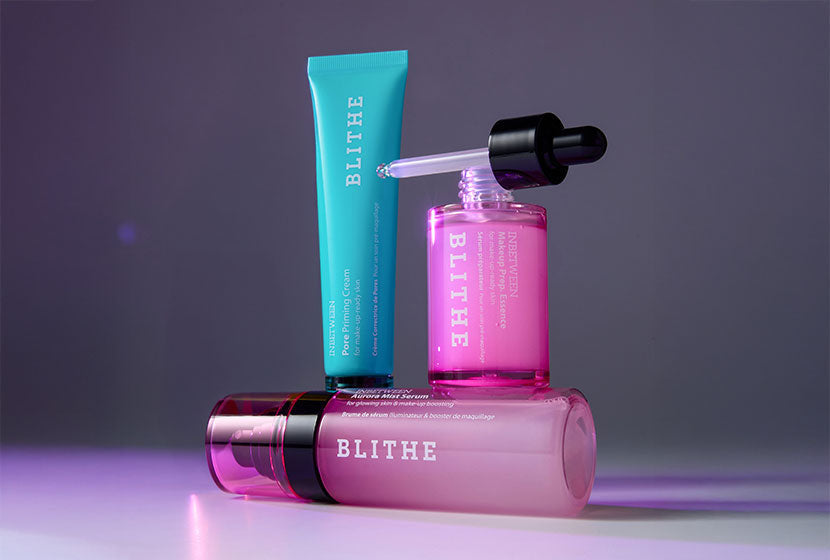
Proper makeup removal is crucial to keep your skin healthy and glowing, especially after applying layers of products that can clog pores, cause breakouts, or lead to irritation. In this blog, we’ll share some essential makeup removal tips using Blithe’s skincare line and introduce the InBetween Priming Creams, which not only prep your skin for makeup but also make cleansing easier and gentler on the skin.
Step 1 : Prime Your Skin to Protect It
One often overlooked step in a skincare routine is priming the skin before applying makeup. Priming helps create a barrier between your skin and makeup, preventing it from seeping into your pores and making removal much easier at the end of the day. Blithe’s InBetween Pore Priming Cream and InBetween Glow Priming Cream are excellent options that not only provide a smooth base for makeup application but also protect your skin throughout the day.

-
InBetween Pore Priming Cream is ideal for oily skin types. It reduces sebum production, controls excess oil, and fills in pores and fine lines with its 5-Calm Complex, which includes soothing ingredients like centella asiatica and green tea. It ensures that your skin remains matte, hydrated, and protected, making makeup removal far less taxing on your skin.
- InBetween Glow Priming Cream is perfect for dry skin. It provides a radiant glow with its Skin Prism technology, locking in moisture and keeping your skin hydrated all day long. The tomato extract in this formula fights off pollution-induced aging while ensuring your makeup glides on smoothly and stays in place. By using this primer, you’re also making it easier to remove makeup later on.
Tip: Before applying makeup, take a small amount of your preferred Blithe priming cream and smooth it evenly across your face. This will help create a protective layer between your skin and makeup, allowing for a more seamless cleansing process at the end of the day.
Step 2 : Start with a Deep Cleanse
Heavy makeup, especially Halloween makeup, often includes long-wearing products like waterproof eyeliner, thick foundation, and glitter, which can be tough to remove. The key is to start with a thorough but gentle cleanser that breaks down makeup without stripping your skin of its natural oils.

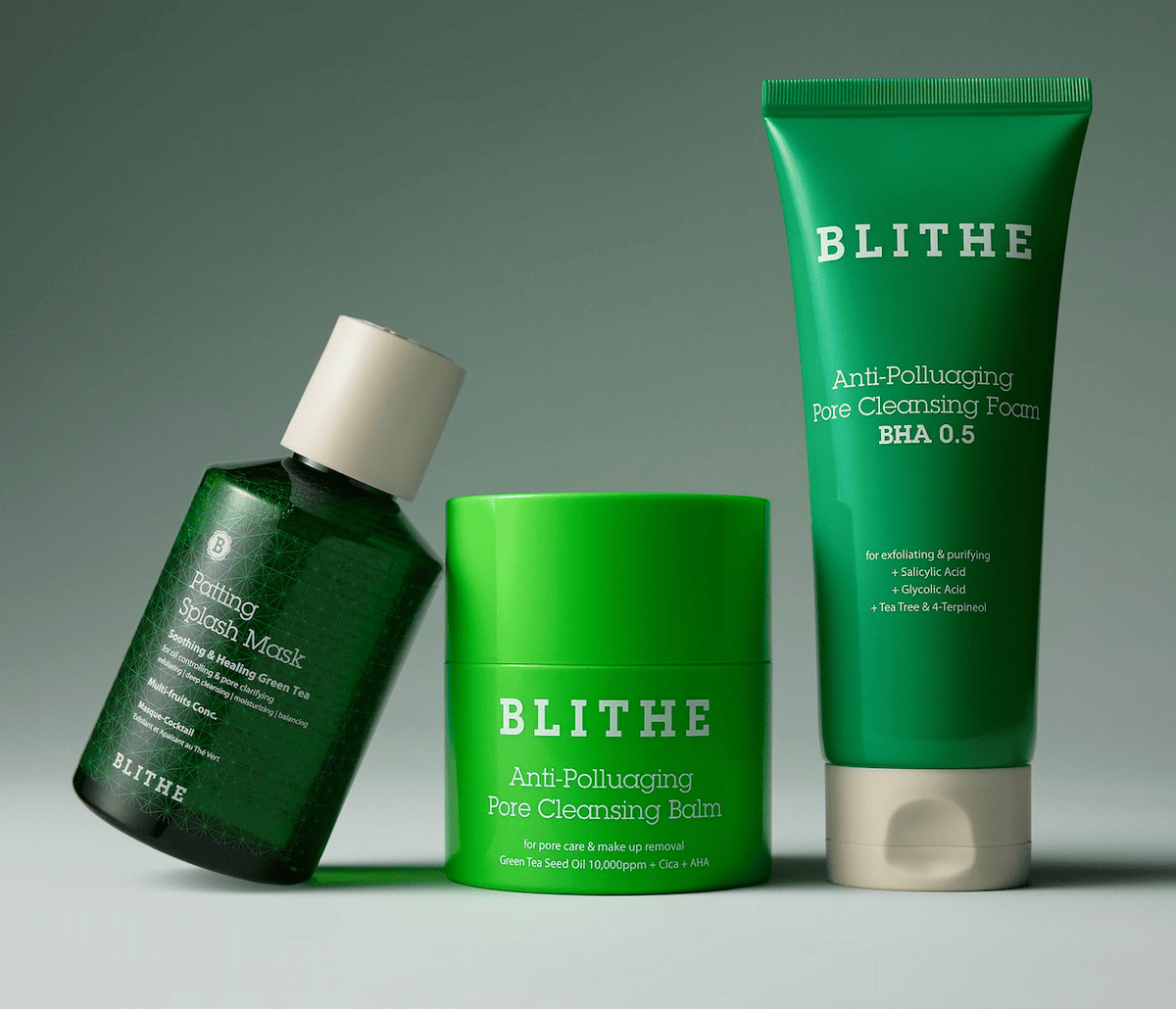
Blithe Anti-Polluaging Cleansing Balm is a must-have for removing Halloween makeup. Formulated with green tea seed oil, jojoba oil, and rice bran oil, this balm effectively dissolves heavy makeup, pollutants, and impurities. The balm melts into an oil that lifts away even waterproof products, making the process gentle and thorough. Ceramide NP in the formula ensures that your skin stays hydrated and your moisture barrier remains intact.
Tip: Use the balm by massaging it into dry skin, allowing the oils to break down makeup and grime. Add a bit of water to emulsify, then rinse off thoroughly for clean, soft skin.
Step3 : Follow Up with Cleansing Water for Extra Purity
Even after using a cleansing balm, there may still be stubborn traces of makeup or glitter.This is where a second cleanse comes in handy to ensure that your skin is completely free from makeup and dirt.
Blithe Anti-Polluaging Cleansing Water with Himalayan Pink Salt is a lightweight yet powerful cleansing solution. Formulated with Himalayan pink salt, which contains more than 10 different minerals, it gently removes residual makeup and impurities while retaining your skin’s moisture. Antioxidant-rich ingredients like blueberry and acai berry help protect your skin from free radical damage while ensuring a clean, fresh finish.

Tip : Soak a cotton pad with the cleansing water and gently swipe it over your face to remove any leftover makeup. This step is especially helpful for sensitive areas like around the eyes or lips where makeup tends to cling.
Step 4 : Exfoliate Gently to Unplog Pores
After a night of heavy makeup, exfoliation is crucial to remove dead skin cells and ensure that your pores don’t get clogged. However, opt for a gentle exfoliant to avoid over-scrubbing your skin.

Blithe Bubbling Splash Mask with Indian Glacial Mud is perfect for post-Halloween care. It’s a 2-in-1 product that transforms from a mud mask into a foam cleanser. Rich in glacial water and over 40 minerals, this mask helps deeply cleanse your skin, unclog pores, and remove dead skin cells without causing irritation. It’s ideal for anyone with oily or combination skin that feels congested after a night of makeup.
Tip : Apply a layer of the mud mask and let it sit for about 10 minutes. Add water to lather it into a foam, then gently massage and rinse off. Your skin will feel purified, smooth, and ready to absorb nourishing treatments.
Step 5 : Soothe and Hydrate Your Skin
After thoroughly cleansing and exfoliating, your skin needs some TLC to restore hydration and soothe any potential irritation caused by makeup removal.
Take Care of Your Skin After the Fun
Halloween makeup can be fun and transformative, but it’s essential to remove it properly to keep your skin healthy and radiant. Blithe’s range of gentle yet effective cleansers, exfoliators, and priming creams make makeup removal and post-Halloween skincare easier and more nourishing.

With the InBetween Priming Creams, not only can you prep your skin for makeup application, but you’re also making the removal process smoother and less stressful on your skin. Proper cleansing, exfoliating, and hydrating with the right products will ensure that your skin stays clear, smooth, and happy long after the Halloween festivities are over.
Chaga Mushroom Benefits for Skin | BLITHE