Oct 01, 2026

PEPTIDES AND CHAGA WHAT DO THEY DO FOR SKIN
Peptides and chaga can appear in the same skincare formula, but they are not interchangeable ingredients. If you are looking for care for smoother, firmer-looking skin, understanding the distinction helps you shop with more realistic expectations.
Peptides are a diverse group of ingredients studied for different cosmetic roles. Chaga is a botanical ingredient of interest in antioxidant research. Neither name tells the whole story of a finished product.
What are peptides in skincare
Peptides are short chains of amino acids. Different peptides have different structures, so the word peptide describes a category rather than one universal ingredient.
Some topical peptides have been studied for changes in the appearance of fine lines. For example, a randomized study tested a specific palmitoyl pentapeptide moisturizer over 12 weeks. That is evidence for the tested ingredient and formulation—not a result that can automatically be transferred to every product containing peptides.

What does chaga add to the conversation
Chaga extract has been investigated in laboratory models of oxidative stress. This is a different research question from testing whether a finished moisturizer improves the appearance of facial lines in people.
Keeping those questions separate is useful. Ingredient research can explain why a formulator might choose chaga, but it cannot tell you exactly what a particular jar will do on your skin.
Does combining them prove they work better
No. A formula containing both ingredients is not, by itself, evidence of synergy. To say that a combination outperforms either ingredient alone would require a study designed to test that comparison.
A more useful way to evaluate the combination is to ask how it fits into the whole formula. Consider its texture, moisturizing ingredients, ingredient tolerability and any testing performed on the actual product you are buying.
Where moisturizer fits into the picture
A peptide ingredient is not a substitute for choosing a moisturizing step you enjoy using. If your routine becomes too complicated to maintain, an impressive ingredient list may not solve that practical problem.
Choose the format first: a separate serum followed by moisturizer, or one product designed for both roles. The right choice depends on your preferences and what your skin needs.
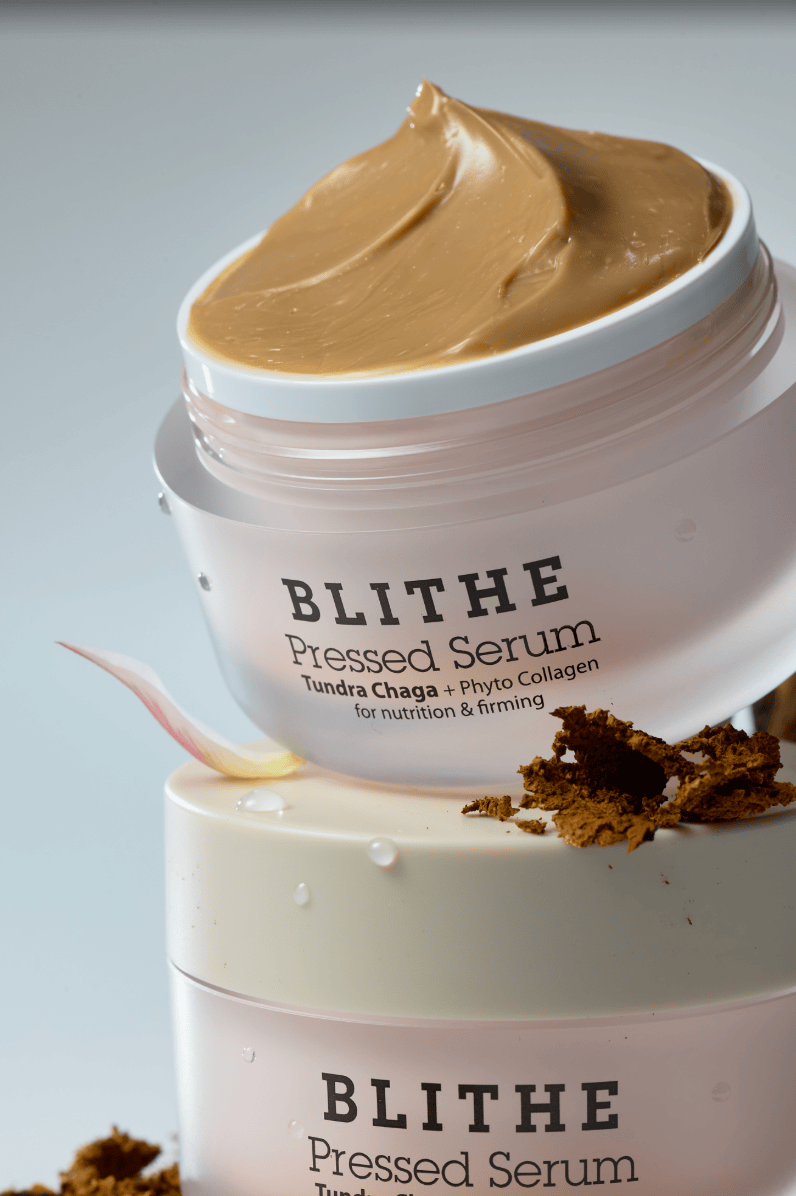
Peptides and chaga in BLITHE Tundra Chaga
The current Tundra Chaga ingredient list includes chaga extract and five peptides: Copper Tripeptide-1, Acetyl Hexapeptide-8, Oligopeptide-32, Oligopeptide-29 and Palmitoyl Pentapeptide-4.
The formula also includes moisturizing ingredients. This puts the peptide and chaga pairing into a serum and moisturizer format rather than asking you to add another separate step.
How to build a routine around it
Introduce the product without changing every other part of your routine at the same time. Use a comfortable amount after cleansing, with toner first if desired. Finish your morning routine with sunscreen.
For progress tracking, use photos taken under similar lighting and avoid comparing a fresh application with a heavily filtered image. Look for changes over a consistent period rather than expecting a dramatic overnight transformation.
What should you expect
A moisturizer can be a useful part of everyday skin care without delivering a face lift. Do not translate an ingredient study into a guarantee of lifted skin, erased wrinkles or a particular timeline.
Choose a formula for its role in your routine, and look for evidence that matches the specific claims being made.
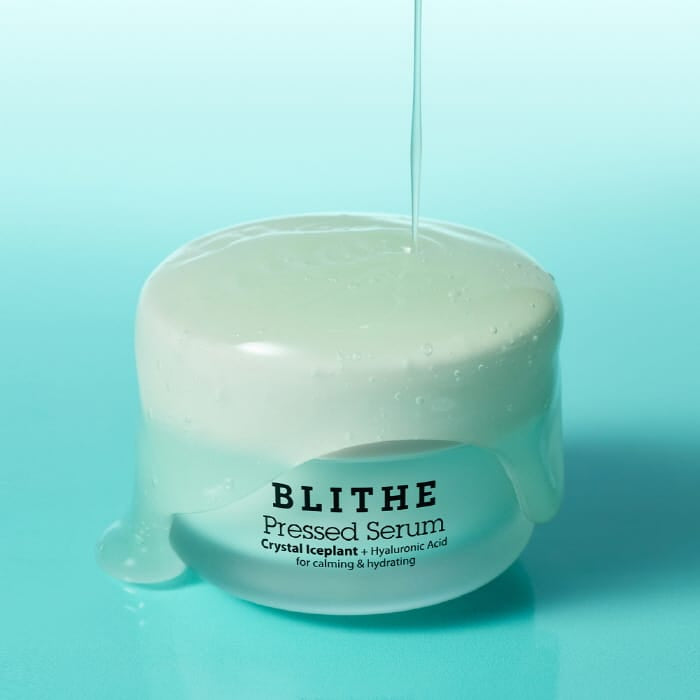
Serum + Moisturizer. Pressed Into One.
Explore BLITHE Pressed Serum Tundra Chaga
Read Pressed Serum vs Serum vs Moisturizer
Read How to Use a Pressed Serum
Sources and further reading
Randomized study of a specific topical palmitoyl pentapeptide formulation