Oct 01, 2026

CHAGA MUSHROOM BENEFITS FOR SKIN
Chaga mushroom has moved from wellness conversations into skincare. If you have seen it on a jar of moisturizer, you may be wondering what it actually adds—and whether it is relevant to your skin.
The useful starting point is to separate the ingredient from the finished formula. Chaga is studied for antioxidant activity, while the comfort and visible results of a moisturizer depend on the whole product. A good choice should make sense for your routine, not just sound interesting on a label.

What is chaga mushroom
Chaga, also called Inonotus obliquus, is a fungus associated with birch trees in cold regions. In skincare, an extract is incorporated into a cosmetic formula; this is different from drinking chaga tea or taking a supplement.
An ingredient name is a starting point for understanding a product. It does not tell you how the product will feel, whether it will suit your skin, or how much improvement you will see.
Why chaga appears in antioxidant skincare
Antioxidants are of interest because oxidative stress is one process researchers study in relation to skin aging. Laboratory research has examined chaga extracts in oxidative stress models, including cultured cells.
Those findings explain the interest in the ingredient. They do not establish that every chaga moisturizer prevents aging or removes wrinkles. Extract preparation, concentration, formulation and testing all matter. Think of chaga as one part of a formula rather than a shortcut to a particular result.
What to look for beyond the mushroom
When you shop for chaga skincare, ask what the formula offers alongside the extract. Is it a moisturizer you will use regularly? Does the texture fit your morning or evening routine? Is the ingredient list compatible with your preferences?
For a moisture-focused routine, the full ingredient list and the feel of the product are more useful than choosing by a single hero ingredient. If your skin is easily irritated, review fragrance ingredients as well as the headline ingredient.

How BLITHE uses chaga
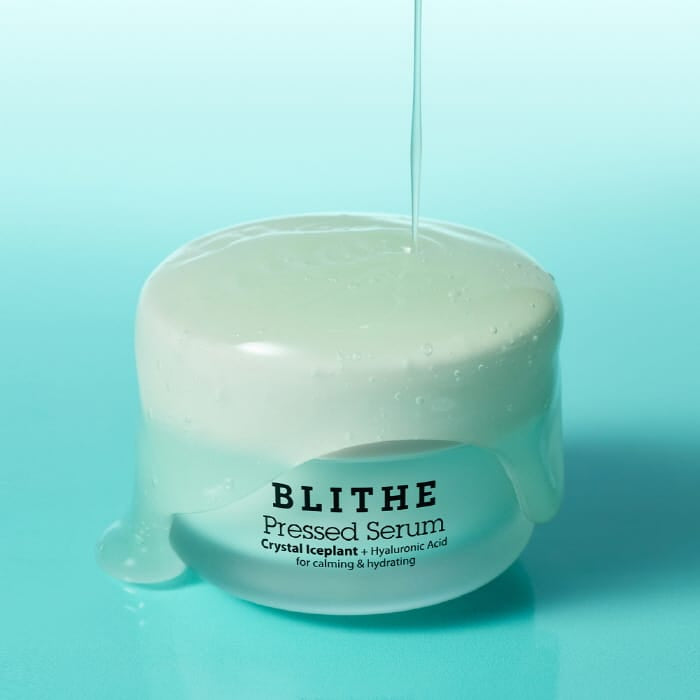
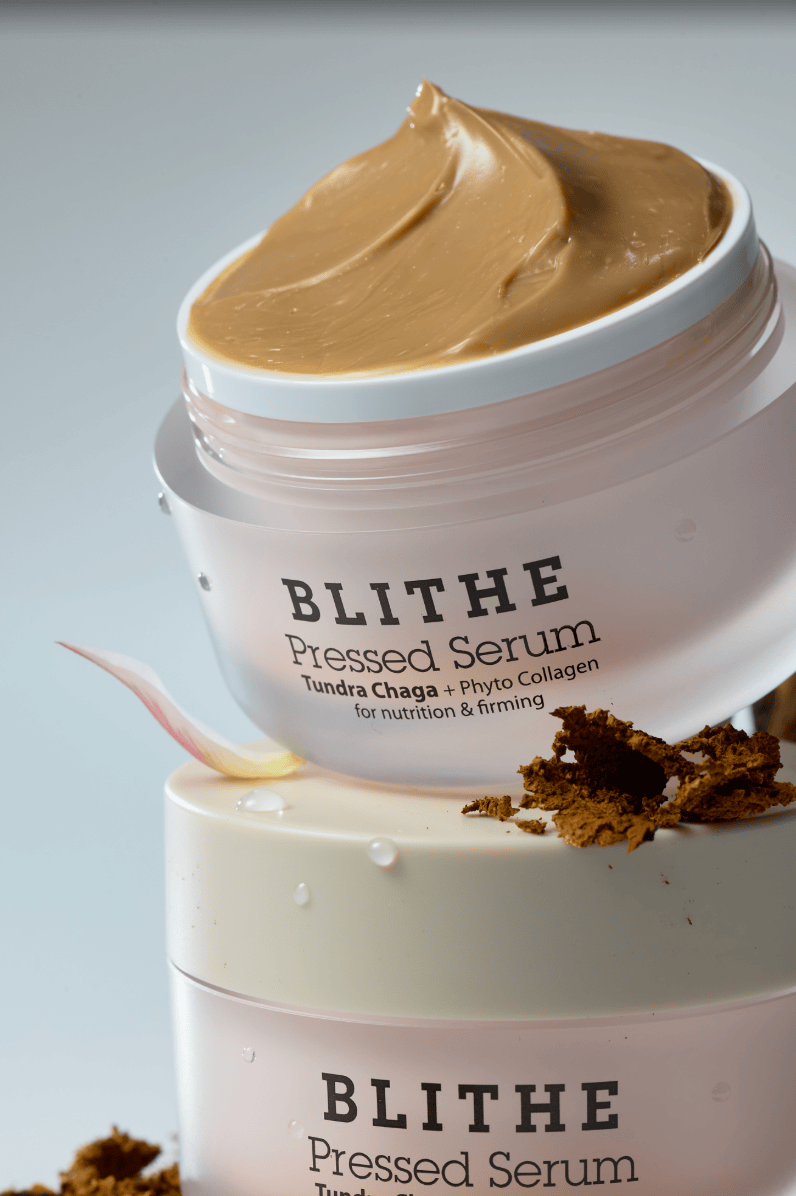
BLITHE Pressed Serum Tundra Chaga pairs chaga extract with peptides and moisturizing ingredients, including glycerin, sodium hyaluronate, panthenol and ceramide NP.
Its serum and moisturizer format puts the ingredient story into a daily moisturizing step. For someone who wants fewer products on the bathroom shelf, that format may be as relevant as the chaga itself.
How to introduce it into your routine
Start with a small amount after cleansing, using toner first if it is already part of your routine. Adjust the amount to how your skin feels rather than layering several new products at once. In the morning, follow your skincare with sunscreen.
Pay attention to comfort and consistency. If a product stings or irritates your skin, stop using it rather than treating discomfort as proof that it is working.
Can chaga skincare replace sunscreen
No. Interest in antioxidant ingredients does not make a moisturizer a sunscreen. Keep sun protection as a separate part of your morning routine.
Choose the formula as well as the ingredient
Chaga gives you an ingredient story to explore. Your next decision is practical: choose a formula that fits your skin, your texture preferences and the routine you can maintain.
Serum + Moisturizer. Pressed Into One.
Explore BLITHE Pressed Serum Tundra Chaga
Read How to Use a Pressed Serum
Sources and further reading
Ingredient research on Inonotus obliquus and oxidative stress